Our Impact
Measuring Success Through Our Achievements

2025
20,706 Seed Packs
Our free open-pollinated (OPV) seed project for the rural poor
-
Free seed starter packs
-
Planting seeds of hope today nurtures the harvest of tomorrow
-
Empowering communities to grow resilience, independence, and a brighter future.
Our free Foundations for Farming Courses
Conservation agriculture training
-
Making your own compost means you don’t have to buy fertiliser
-
Mulch keeps the moisture in the soil even in severe drought conditions
1,740 miles/ 2,800km
Seeking justice, correcting oppression “Long Ride for Justice”
-
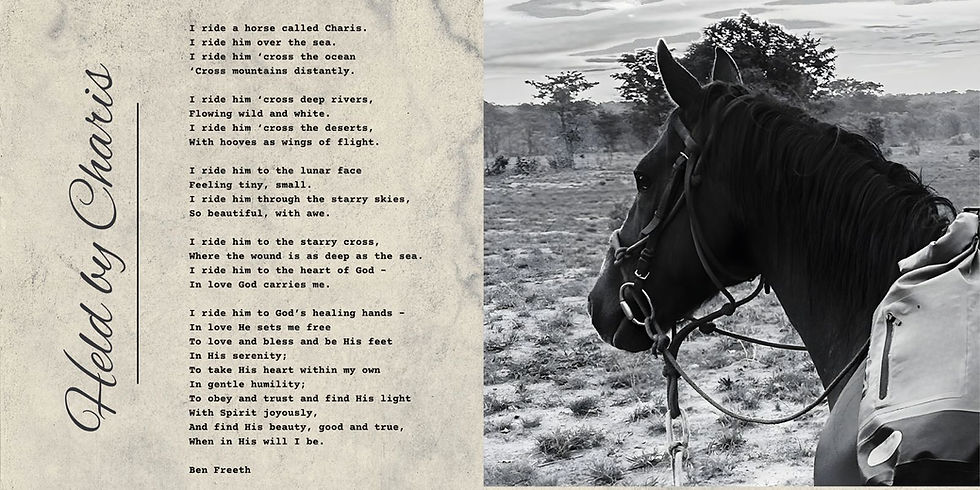
Ben Freeth has walked/ridden 1,740 miles/2,800km to call for the re-opening of the SADC Tribunal regional court of justice
Get Involved
Join us in making a difference in Zimbabwe’s future. By supporting The Mike Campbell Foundation, you become part of a movement dedicated to restoring justice, democracy, and human rights.
Together, we can rebuild the country’s agricultural sector, protect property rights, and provide vital support for education, farm workers, and communities in need. Your involvement today helps pave the way for a brighter, more prosperous tomorrow for all Zimbabweans.
Together, we are a beacon of hope.
Latest News from Zimbabwe

Biti warns of plot to destroy constitution
Former Zimbabwean finance minister and opposition politician and lawyer Tendai Biti has warned that President Mnangagwa and his ZANU PF government are moving rapidly to destroy the Constitution and replace the republic with a monarchy, following the enactment of the Constitution of Zimbabwe Amendment (No. 3) Act, 2026 on 7 July this year. “We will resist any attempt to destroy Zimbabwe and establish a monarchy — a dubious monarchy, for that matter — by people who are never and were never claimants of the original Munhumutapa kingdom [approximately 1430–1690],” he said.

US announces end to all health funding, says it respects govt decision to decline MOU
As of 30 September, the United States will stop funding all health programmes in Zimbabwe that it has been involved in for more than 20 years, Ambassador Pamela Tremont has warned. Last year the Zimbabwe government declined America’s new funding model, a health memorandum of understanding (MoU) that seeks to gradually transfer health funding to third-world governments while ensuring sustainability. America has played a central role in Zimbabwe’s fight against HIV, which has been the major reason behind the country achieving more than 95% epidemic control.

Mnangagwa pushes for further changes to Zimbabwe’s electoral laws
Zimbabwean President Emmerson Mnangagwa is pushing for further changes to the country’s electoral laws, just months after controversial amendments extended his current term by two years. Addressing parliament, Mnangagwa has now called for changes to the Electoral Act and Constitutional Court Act. The amendments have moved Zimbabwe’s next election to 2030 but have also triggered legal challenges over the extension of the current term and changes to how future presidents will be elected. The popular election of the president has been abolished in favour of selection by parliament.

Kariba residents sue government over ‘woefully inadequate’ new ferry
Following the Kariba ferry disaster in which 97 people drowned on 11 August when the overloaded Mbuya Nehanda ferry capsized in bad weather, two residents have dragged the government before the High Court. They argue that the substitute private boat with a lower passenger capacity of just 60 is totally inadequate for the more than 45,000 people in 12 wards in Kariba Rural Constituency. The urgent court application is demanding enough safe, affordable ferries to replace the lost vessel. The ferry connecting Kariba and Chalala is the only affordable route linking rural Kariba, Binga and Kariba town.